Eco-Friendly Approaches: How E-Waste Recycling Services Are Preserving Our Planet
Electronic waste presents serious dangers to the environment, as discarded electronics often contain toxic materials. These hazardous substances can contaminate soil and water, leading to broader ecological damage. E-waste recycling services present a viable solution. They not only recover valuable resources but also mitigate pollution. Gaining insight into how these programs function and affect local communities is critical. The journey towards effective e-waste management raises critical questions about individual responsibility and collective action. What measures can be pursued from this point onward?
The Reasons E-Waste Is Damaging to the Planet
Even though technological advancements improve contemporary living, e-waste creates considerable environmental hazards. Abandoned electronic gadgets, commonly laden with toxic substances including mercury, lead, and cadmium, are capable of seeping pollutants into the surrounding soil See details and water supply, posing risks to both wildlife and human well-being. The swift progression of technology contributes to greater consumer replacement of electronic devices, intensifying the growing problem of e-waste.
Landfills, already overwhelmed with refuse, find it difficult to handle the increasing amounts of discarded devices. Incineration, a common waste management technique, emits dangerous pollutants into the environment, degrading atmospheric conditions. Furthermore, inadequate recycling methods can result in the shipment of electronic waste to underdeveloped nations, where workers may break down equipment without proper protective measures, putting themselves at risk of exposure to hazardous materials. This cycle of neglect and improper handling underscores the urgent need for sustainable recycling solutions that can mitigate the adverse effects of e-waste on the planet.
What Is E-Waste and Why Is It Important?
E-waste, or electronic waste, comprises obsolete electronic products like computers, smartphones, and televisions that have reached the end of their useful life. This growing category of waste is significant owing to its accelerating volume, propelled by advances in technology and evolving consumer behaviors. As more devices become obsolete, the ecological consequences become more pronounced, with dangerous elements including lead, mercury, and cadmium posing risks to ecosystems and human health.
The significance of tackling e-waste extends beyond minimizing these risks to recognizing the valuable resources it holds. Precious metals and rare earth elements can be recovered and reused, reducing the need for mining and conserving natural resources. Through a deeper awareness of e-waste and its consequences, both individuals and organizations can make well-informed choices regarding disposal and recycling, thereby supporting a more sustainable future. Effective handling of e-waste is vital for encouraging a circular economy and advancing environmental responsibility.
How the E-Waste Recycling Process Works
Recycling e-waste involves a structured approach aimed at reclaiming useful resources while minimizing environmental impact. Initially, e-waste is collected and transported to purpose-built recycling plants. Once there, the electronics are carefully categorized to isolate dangerous parts from recoverable materials.
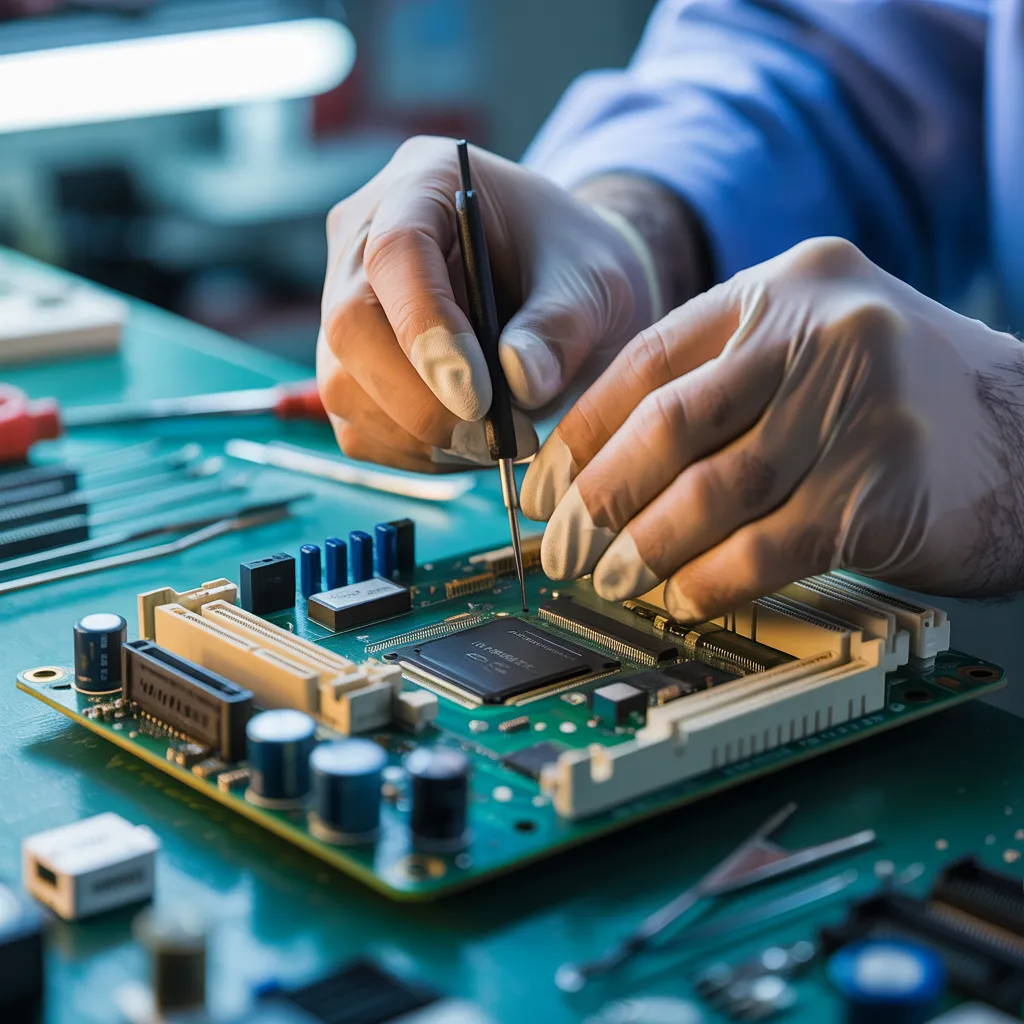
Following this, technicians break down the products, removing plastics, metals, and glass. This step is critical, as it allows for the reclamation of high-value metals like gold, silver, and copper, which are repurposed in new electronic products.
Subsequently, the sorted materials are refined through state-of-the-art techniques, such as mechanical shredding and chemical processing, to cleanse them for reuse.
Finally, the leftover dangerous materials are managed properly, complying with environmental regulations. This systematic method not only conserves resources but also minimizes the hazards connected to unsafe e-waste handling, guaranteeing a greener future for electronic device usage.
The Benefits of E-Waste Recycling for You and Your Community
Although it often goes unnoticed, the positive effects of e-waste recycling go far beyond individual benefit and actively shape entire communities. By responsibly disposing of electronic waste, individuals contribute to a cleaner environment, minimizing harmful substances that can leach into soil and water. This forward-thinking practice works to protect local ecosystems and supports public health.
Additionally, electronic waste recycling supports job creation within communities. Nearby recycling establishments regularly need employees for numerous tasks, from collection to processing, thereby providing employment opportunities for local residents. This not only enhances the community economy but also encourages community engagement in sustainable practices.
Moreover, familiarity with e-waste recycling may result in learning opportunities, enabling residents to pursue greener alternatives. By taking part in e-waste recycling programs, individuals nurture a culture of sustainability, inspiring others to follow suit. In summary, the combined impact of these actions can lead to a more robust and eco-friendly community.
How to Select an E-Waste Recycling Service
Picking the right electronic waste recycling provider is essential for making sure that e-waste is handled responsibly and sustainably. To begin, individuals should check the company's certifications, such as e-Stewards or R2, which signify adherence to industry standards for secure waste disposal procedures. Additionally, it is advisable to examine the company's standing by reading customer reviews and looking for recommendations from trusted sources.
Next, clarity in the recycling process is essential. A reliable service should offer detailed insights about how e-waste is processed and what becomes of the materials. Furthermore, considering the scope of services provided can prove valuable; various firms may supply retrieval services or extend benefits for recycling.
Ultimately, understanding regional rules concerning e-waste disposal can help inform the choice of disposal method. By prioritizing these factors, people are able to support responsible e-waste disposal while also advancing sustainable environmental efforts.
How You Can Take Part in E-Waste Recycling?
Engaging in e-waste recycling can start at the local level, where community recycling hubs regularly supply essential services for responsible disposal. Moreover, taking part in community awareness campaigns can strengthen efforts to educate others about the importance of proper e-waste handling. These initiatives not only encourage sustainable practices but also build a collective sense of stewardship of the environment.
Community Recycling Locations
Many neighborhood recycling stations fulfill a critical purpose in recycling electronic waste, supplying communities with reliable ways to discard electronic waste in an eco-friendly way. These hubs welcome a variety of electronic equipment, including used computers, handheld devices, and televisions, ensuring that harmful materials are handled safely. The majority of facilities employ qualified professionals who support individuals in understanding proper disposal practices, stressing the significance of recycling instead of landfilling. In addition, several stations organize drop-off events or designated collection days, making it easy for residents to participate. By engaging with these local facilities, people help build a circular economy, lowering environmental harm and encouraging sustainable habits. Connecting with these stations empowers communities to take action against e-waste pollution effectively.
Public Awareness Initiatives
Community groups, educational institutions, and companies can collaborate to host events that promote e-waste collection drives. Volunteers can play a pivotal role in raising awareness, sharing informational resources, and connecting with local residents. By means of these joint initiatives, community members grow more knowledgeable and inspired to dispose of their electronics responsibly, ultimately contributing to a more sustainable future.
Frequently Asked Questions
What Electronic Devices Are Eligible for Recycling?
Various electronics may be recycled, including computers, smartphones, televisions, laptops, gaming consoles, and printers. Moreover, accessories such as keyboards, mice, and batteries are well-suited for recycling, contributing to environmental conservation efforts.
Are There Any Costs Associated With E-Waste Recycling?
That's correct, e-waste disposal may involve charges, based on the provider. Some facilities impose charges for collection or processing, while other facilities provide no-cost solutions, often subsidized by the proceeds from salvaged materials.
What Are the Benefits of E-Waste Recycling for Businesses?
Companies can take advantage of e-waste recycling by lowering disposal expenses, improving their green reputation, meeting compliance standards, recovering valuable materials, and possibly earning income through resale, thereby fostering a more environmentally responsible business approach.
What Happens to Data on Recycled Devices?
Information regarding repurposed electronics is frequently completely removed or eliminated throughout the recycling process. This guarantees confidential data is kept safe, stopping improper access while permitting materials to be reused safely and responsibly within new applications.
Are Broken Electronics Eligible for Recycling?
Yes, broken electronics can be recycled. Many centers process non-functioning devices, guaranteeing proper disposal and extraction of useful materials. This effort helps decrease environmental impact while fostering eco-friendly recycling methods to control electrical waste responsibly.